
heated tobacco aerosol

HPHC levels in heated tobacco aerosol

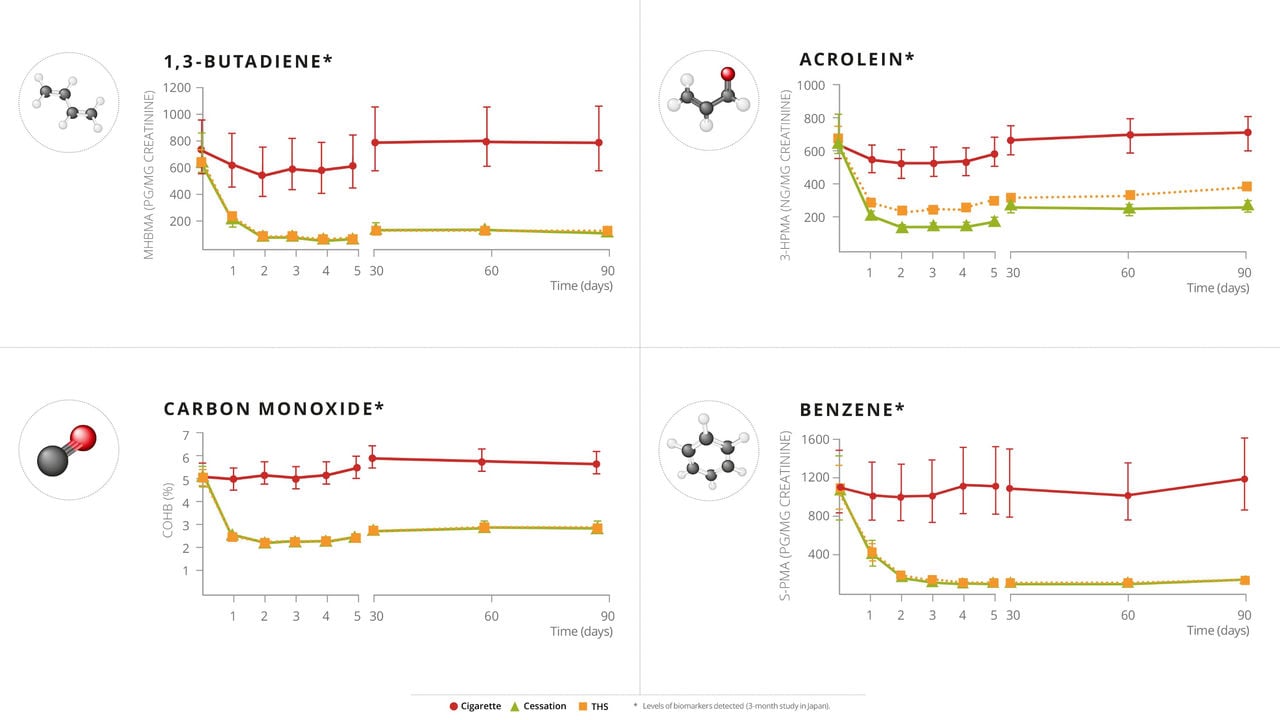
As part of our ongoing commitment to scientific integrity and transparency, Philip Morris International (PMI) rigorously analyzes the chemical composition of the aerosol produced by our Tobacco Heating System (THS). Using standardized testing protocols and independent laboratory analyses, we compare the levels of harmful and potentially harmful constituents (HPHCs) in THS aerosol with those found in cigarette smoke. These analyses consistently demonstrate that THS aerosol contains significantly lower levels of HPHCs compared with cigarette smoke.

Comparing HPHC levels using the PMI 58 list

The PMI 58 is an internal list of HPHCs, which prioritizes 58 constituents and analytes representing all major toxicologically relevant chemical classes of compounds present in both the particulate and gas-vapor phases of cigarette smoke. This list was established to enable the comparison of HPHC levels between THS aerosol and cigarette smoke. It also helps us monitor how effectively we are reducing or eliminating HPHCs emitted by THS, while also meeting regulatory requirements worldwide.


The PMI 58 list of HPHCs is presented in the table below, which also includes comparisons of constituents in THS aerosol with lists of priority smoke constituents proposed by the World Health Organization (WHO) Study Group on Tobacco Product Regulation (TobReg) (WHO, 2007; WHO, 2008; WHO, 2015), Health Canada (Health Canada, 2000), and the U.S. Food and Drug Administration (FDA) (U.S. FDA, 2012a and b).


The PMI 58 list covers:

  • Smoke constituents determined by the International Organization for Standardization (ISO) standard methods (carbon monoxide [CO], nicotine, nicotine-free dry particulate matter [NFDPM], total particulate matter [TPM], and water)
  • Chemical constituents representative of all major toxicologically relevant chemical classes of compounds, present in both the particulate phase and gas/vapor phase of cigarette smoke; and
  • Compounds reported in cigarette smoke which have been classified as either known or probable human carcinogens by the International Agency for Research on Cancer (IARC, 1985)

Laboratory studies have shown that THS aerosol contains significantly lower levels of HPHCs compared with the smoke of a standard reference cigarette (3R4F), with an observed average reduction of 90–95%.

Analyses were conducted by Labstat International ULC, an independent ISO 17025 accredited laboratory in Kitchener, Ontario, Canada. All aerosol and smoke collections were performed according to the Health Canada Intense (HCI) machine-smoking protocol.

Results for THS 2.2 (commercialized as IQOS 3 or IQOS ORIGINALS) and THS 3.0 (commercialized as IQOS ILUMA) are showcased below:

Comparing HPHC levels using the FDA 93 list

In 2012, the U.S. Food and Drug Administration (FDA) published a list of HPHCs found in tobacco products and tobacco smoke. This is known as the FDA 93 list, as it comprises 93 compounds or classes of compounds. The FDA 93 is the most comprehensive list to date. It covers toxicants linked to diseases such as cancer and cardiovascular disease, among others.

Below, we’ve listed the levels of those HPHCs (with the exception of nicotine) measured in the smoke of a standard reference cigarette (3R4F) and the aerosols of two versions of THS 2.2—regular and smooth menthol. In all cases where a comparison could be made, we found that HPHC levels in THS aerosol were significantly lower compared with 3R4F smoke, with an average reduction of more than 90.5% on a per stick basis for THS 2.2 Regular and more than 91.0% on a per stick basis for THS 2.2 Smooth Menthol.

Reductions shown in this table are consistent with reduction ranges observed using the PMI 58 list. The similarity of the results between THS regular and THS menthol also show that the reduction in levels of HPHCs is not impacted by the nature of the flavor system.

Aerosol and smoke collections were performed using the HCI machine-smoking protocol, with measurements conducted by Labstat International ULC.

Abbreviations:

  • AαC: 2-Amino-9H-pyrido[2,3-b]indole
  • CDD: Chlorodibenzo-p-dioxin
  • CDF: Chlorodibenzofuran
  • CO: Carbon monoxide
  • Glu-P-1: 2-Amino-6-methyldipyrido[1,2-a: 3',2'-d]imidazole
  • Glu-P-2: 2-Aminodipyrido[1,2-a: 3',2'-d]imidazole
  • IQ: 2-Amino-3-methylimidazo[4,5-f]quinoline
  • MeAαC: 2-Amino-3-methyl)-9H-pyrido[2,3-b]indole
  • NDEA: N-Nitrosodiethylamine
  • NDELA : N-Nitrosodiethanolamine
  • NDMA: N-Nitrosodimethylamine
  • NEMA: N-Nitrosomethylethylamine
  • NMOR: N-Nitrosomorpholine
  • NPIP: N-Nitrosopiperidine
  • NPYR: N-Nitrosopyrrolidine
  • PAHs: Polycyclic aromatic hydrocarbons
  • PhIP: 2-Amino-1-methyl-6-phenylimidazo[4,5-b]pyridine
  • Trp-P-1: 3-Amino-1,4-dimethyl-5H-pyrido[4,3-b]indole
  • Trp-P-2: 1-Methyl-3-amino-5H-pyrido[4,3-b]indole
  • TSNA: Tobacco-specific nitrosamines

This list contains 108 HPHCs. Since the FDA 93 list includes both individual compounds and families of compounds, we have extrapolated these families into individual compounds for our analysis.

Methods for generating and testing aerosol from THS

Cigarette smoke is produced when the tobacco in a cigarette burns at temperatures often reaching 800 °C and more at the tip. At such high temperatures, tobacco combustion generates ash and smoke containing more than 6,000 chemicals. Among these chemicals, about 100 have been identified by public health authorities to be associated with smoking-related diseases.

THS, on the other hand, is an electronic device*. It heats tobacco without burning to generate a nicotine-containing aerosol that is fundamentally different from cigarette smoke and contains significantly lower levels of HPHCs. Because of this, some of the standard methods used to assess cigarettes are not appropriate for THS as they do not provide accurate measurements of certain aerosol constituents without modification.

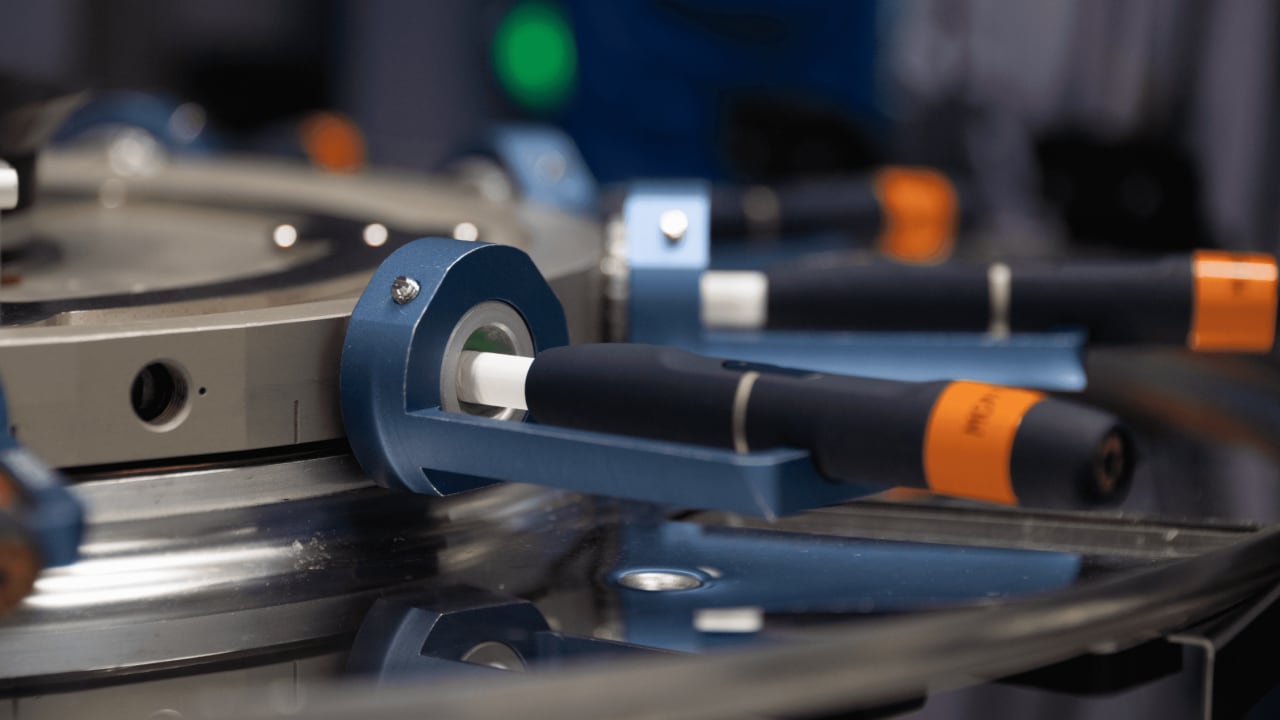
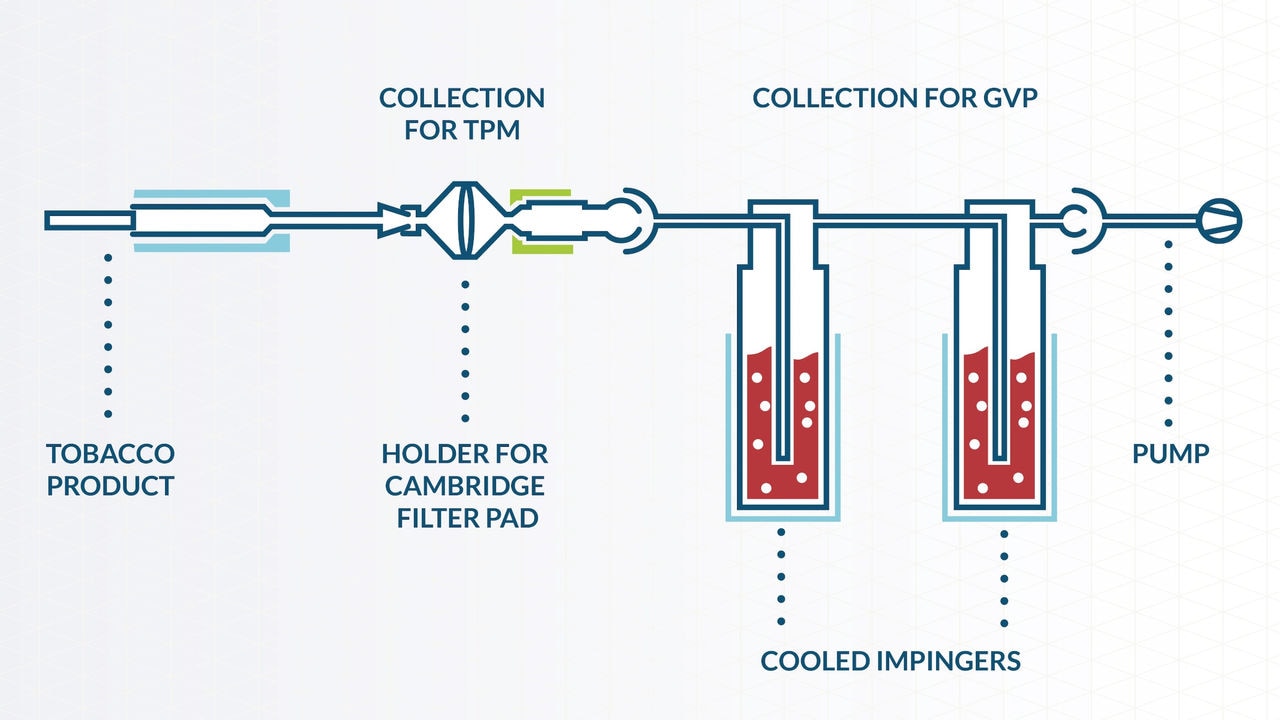
You can find methods and protocols related to our assessment of THS aerosol in our publications library by filtering for "methods and protocols." A summary of the technologies that we use to analyze THS aerosol is shown below:

*This product is not risk free and contains nicotine, which is addictive. Quitting tobacco and nicotine altogether is the best way that someone who smokes can reduce the risks from smoking.